
Concussions are often referred to as an “invisible injury”
Unlike other traumatic injuries, there’s usually no cast, scar, or outward sign that anything is wrong. In many cases, concussion victims appear perfectly healthy from the outside, when in fact, the brain has been severely injured.
This lack of visible evidence can make concussions easy to ignore, underestimate, or minimize, leading some to push through post-concussion symptoms or dismiss them altogether.
Raising awareness around brain injuries is essential, not only to encourage early medical care but also to help individuals, families, and communities better understand the challenges and the recovery process. A concussion may be invisible to the eye, but its effects are very real and often profound.
In this blog, we’ll explore what causes concussions, how they impact the brain, common symptoms, the typical healing timeline, and how to best support recovery, including how Cereset may help the brain restore balance during the healing process.
What Causes a Concussion?
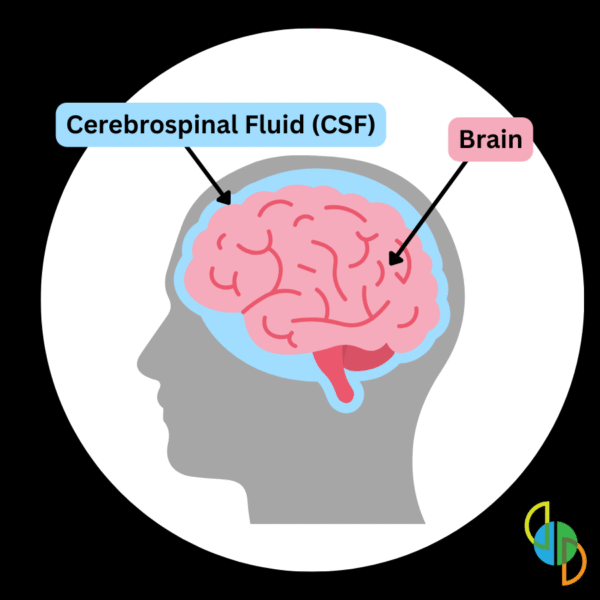
The brain floats inside the skull in a sea of cerebrospinal fluid (CSF). The CSF acts as a protective cushion, stabilizing the brain within the skull and preventing the soft tissue from pressing against the hard skull.
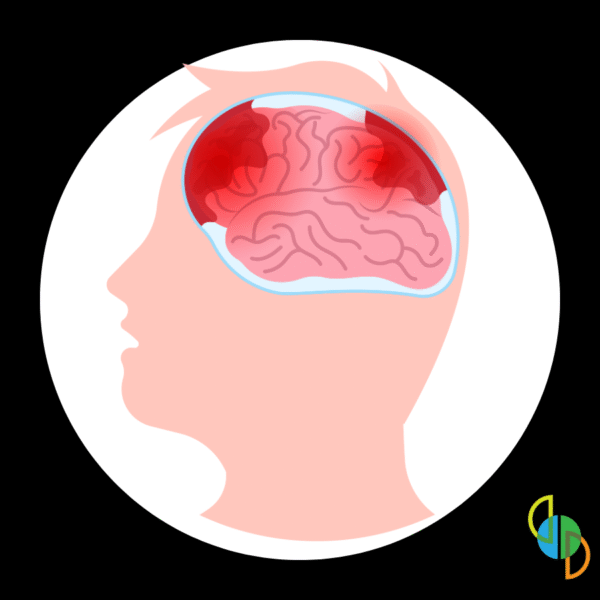
However, in the case of a hard impact or jolt to the neck or head, the brain is rocked violently within the skull, sometimes slamming up against the inside of the skull itself. This can occur from:
- A direct blow to the head (sports, accidents, falls)
- Whiplash-type motion, where the head snaps forward and back
- A strong body collision that causes the brain to shift within the skull
This violent, sudden movement can cause a cascade of injuries and changes to the brain, including:
- Chemical imbalance: The brain’s natural regulation and production of neurotransmitters (chemical messengers in the brain) is disrupted, causing an overexcitation of neurons and impairing communication.
- Energy crisis: Immediately following a concussion, the brain uses more energy to try to stabilize itself. At the same time, blood flow decreases, which slows the delivery of oxygen and important nutrients, essentially “starving” neurons of crucial energy. This creates an ‘energy crisis’ where the brain is demanding more energy than what is available, slowing normal brain function.
- Network disruption: Axons (part of the brain’s communication network) can stretch or tear, making it harder for the brain to communicate. Coordination between brain regions is impaired as a result, leading to slower processing or imbalances in activity between the brain’s left and right hemispheres.
- Inflammatory response: The brain’s protective reaction can further exacerbate fatigue and fogginess following a concussion. If the inflammation response is prolonged, it can cause additional impairment by damaging neurons and disrupting brain communication.
Symptoms of a Concussion
Concussion symptoms vary and often depend on both the severity of the injury and the area of the brain impacted, but often include:
- Headache or pressure in the head
- Dizziness, balance issues, or nausea
- Sensitivity to light or sound
- Blurred or double vision
- Difficulty concentrating and thinking clearly (brain fog)
- Fatigue or disrupted sleep
- Irritability, mood swings, or heightened stress response
- Memory and recall difficulties
Some symptoms appear immediately following the injury, while others may not surface until hours or even days later. For this reason, it’s essential to carefully monitor an individual in the hours and days following a head injury.
The Timeline for Healing
Healing from a concussion is highly individual and often depends on various factors, including the severity of the injury, the age of the victim, and their general health and robustness. Still, many people follow the general timeline for healing:
- Acute phase (first 24–72 hours): During the acute phase, the concussion symptoms are most intense. This is also when the brain is experiencing an “energy” crisis, so rest during this phase is critical.
- Sub-acute phase (1–3 weeks): Many symptoms start to improve during the sub-acute phase, though cognitive or emotional difficulties may remain. If symptoms worsen instead of improving, one should see a licensed medical provider ASAP.
- Chronic phase (beyond 1 month): About 10–20% of people experience lingering symptoms, sometimes called post-concussion syndrome (PCS). But what causes some people to develop Post-Concussion Syndrome, while others do not? Great question! There are several key factors that may heighten the risk of developing PCS:
- Severity of the initial concussion: More forceful impacts or multiple blows increase risk.
- History of previous concussions: Repeated injuries make the brain more vulnerable.
- Age: Older adults and very young individuals may take longer to recover.
- Sex: Some research suggests women may be at slightly higher risk for prolonged symptoms.
- Pre-existing conditions: Migraines, anxiety, depression, or ADHD can increase susceptibility.
- Psychosocial factors: High stress, poor sleep, or lack of social support may prolong recovery.
- Delayed or inadequate rest and treatment: Returning too quickly to physical or cognitive activity can exacerbate symptoms.
Supporting the Brain During Recovery
While concussions can have significant negative impacts on the brain, the brain does have amazing healing and recovery capabilities, like neuroplasticity, which is the brain’s ability to reorganize and rewire.
When certain areas of the brain are disrupted by injury, neuroplasticity allows other regions and networks to adjust and take on new roles, helping restore function. Over time, with rest, healthy habits, and the right support, the brain can “rewire” itself, strengthening alternative pathways and gradually reducing post-concussion symptoms. This remarkable flexibility is why recovery is possible, even after the brain has been damaged or injured.
There are also practical steps one can take to support the brain’s recovery:
- Rest: Both mental and physical rest are crucial in the early days following a concussion! This may involve taking a few days off work or school to allow the brain the opportunity to rest, while also minimizing energy expenditure, which enables the brain to focus its limited energy resources on repair and recovery. Exercise and physical activity should also be paused in the days immediately following a concussion.
- Gradual activity: After a concussion, one should slowly reintroduce exercise, work, and screen time under medical guidance. As you slowly return to regular activities, it’s important to listen to your brain! If you experience adverse symptoms like headache or severe fatigue after engaging in activities like exercise, you may be moving too fast!
- Prioritize quality sleep: The brain does the majority of its repair and healing during sleep, or more specifically, during deep sleep. Sleep is essential for brain recovery and should be a priority during concussion recovery.
- Stress reduction: Minimizing stimulation and stress during the recovery phase can prevent setbacks. Avoid overwhelming the brain with too much information or external stimuli like large crowds or scrolling social media.
- Nutrition and hydration: Balanced meals and adequate hydration provide crucial fuel for brain recovery. Prioritize foods rich in omega-3s, antioxidants, protein, B vitamins, magnesium, and zinc.
- Avoid additional injury: Avoid any activities that may injure the brain again during the healing and recovery phases. Sustaining another concussion before the brain has fully healed from a previous one is especially dangerous because the brain is still in a vulnerable state. A second impact in this period can worsen the injury, cause longer-lasting symptoms, and in rare cases lead to severe complications such as “second impact syndrome,” where swelling occurs rapidly and can be life-threatening. This is why it’s critical to allow the brain ample time to heal before returning to activities that risk another concussion.
- Avoid alcohol and recreational drugs: Both alcohol and recreational drugs can interfere with the brain’s natural recovery processes, prolonging symptoms like brain fog, fatigue, and poor concentration.
How Cereset May Help
Many clients find Cereset to be a supportive complement to medical care, helping their brain naturally restore balance and performance. Here’s how:
- Encouraging balance: Concussions often leave the brain “stuck” in imbalanced rhythms, which disrupts the communication between the left and right hemispheres of the brain. Cereset helps the brain listen to itself and shift toward greater equilibrium.
- Supporting reorganization: Concussions can damage communication networks in the brain. Cereset increases neuroplasticity, which facilitates the reorganization process, allowing new networks to replace
- Releasing stress: Concussions can cause the brain to remain in a heightened stress state. Cereset helps reset the brain’s stress system.
- Improving sleep quality: Many clients report more restorative sleep following Cereset sessions, and we know that deep, restorative sleep is essential for recovery and long-term brain health.
While Cereset should not replace medical care, it can be a powerful partner in concussion recovery, while also facilitating long-term brain health and optimal performance.
Concussions may be invisible on the outside, but their impact on the brain can be profound and long-term if not taken seriously. With proper care, patience, and supportive tools, most people can achieve a full recovery; however, awareness and education are key!
by Sonya Crittenden,
Director of Client Services & Education
Cereset Corporate Headquarters
FIND THE CERESET CLIENT CENTER NEAREST YOU & CALL TODAY
*Cereset is not a medical provider and does not diagnose, treat, cure, or prevent concussions or any other medical condition. Any serious head injury or concussion with severe or worsening symptoms should be evaluated immediately by a licensed medical professional.