
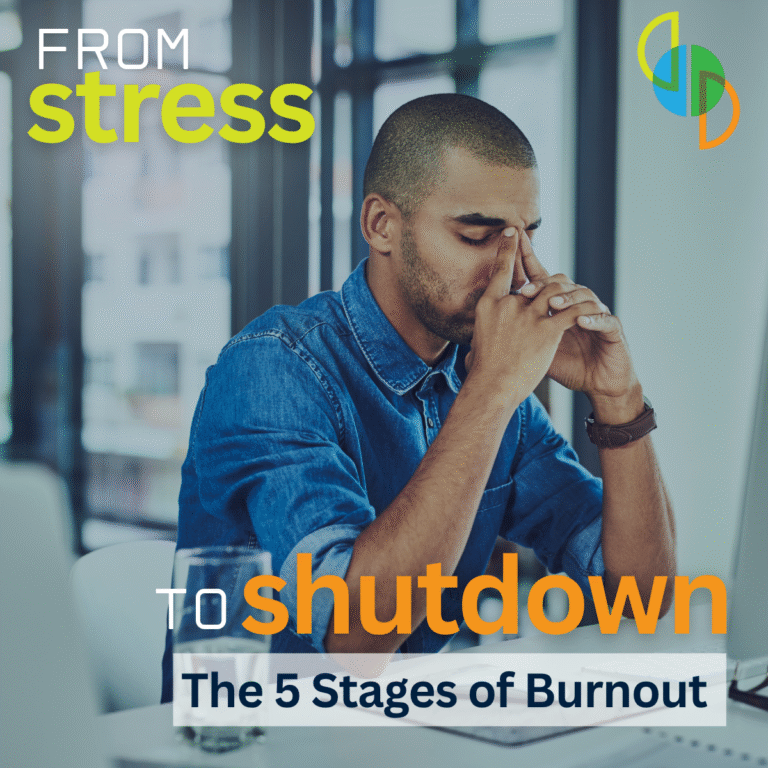
The 5 Stages of Burnout
It’s the holiday season, a time filled with joy, celebration, and moments with the people we love. But for many, the holidays can also add another layer of pressure and stress, accelerating the path toward burnout.
Burnout isn’t something that happens overnight; it’s a slow drift away from balance that shows up in the brain long before we feel it in our lives.
While most people think of burnout as exhaustion or overwhelm, the brain tells a more nuanced story. Changes in brainwave patterns can reveal whether someone is in early stress, chronic strain, or complete depletion, often before the person even realizes how much stress they’ve been carrying.
In this blog, we’ll break down the five stages of burnout and explore what each stage typically looks like in the brain. From early signs of strain to the inevitable “collapse” of true burnout, understanding these stages helps us recognize warning signs sooner and support the brain’s recovery.
To start, imagine your brain’s stress capacity as an empty water glass. Every stressful event fills the glass a little more. If the glass isn’t regularly emptied (if stress isn’t consistently released), it eventually fills to the top and spills over.

Everyone has a “glass,” or a built-in capacity to manage stress, but some people naturally have a larger glass than others. Still, no one has an infinite capacity. Once the brain reaches its limit, the overflow is what we recognize as burnout. At this point, the brain can no longer regulate stress effectively and shifts into pure survival mode, leading to a host of physical, emotional, and cognitive symptoms that can disrupt quality of life.
While in theory it sounds simple to just “empty the glass” regularly, the reality is more complex. The stages leading up to burnout are often subtle, and at times can even masquerade as drive, productivity, or resilience.
To truly understand how burnout affects both personal and professional well-being, we first need to explore the five stages of burnout and how each one impacts the brain.
Stage 1: The Honeymoon Phase
In the earliest stage of burnout, everything feels exciting. A new job, a new relationship, a fresh project, or a big opportunity can ignite a surge of enthusiasm and excitement. We’re eager to give our all, prove ourselves, and pursue our goals with energy and optimism. Motivation is high, purpose feels strong, and we often experience a renewed sense of hope for the future.
From a brain perspective, the Honeymoon Phase is usually marked by a generally balanced pattern, with just a slight increase in activity in the right temporal lobe. This mild activation is not a bad thing and often reflects healthy anticipation, excitement, and increased energy expenditure. In this stage, the brain is primed to help us focus, mobilize, and execute! It’s gathering resources, increasing alertness, and fueling our drive.
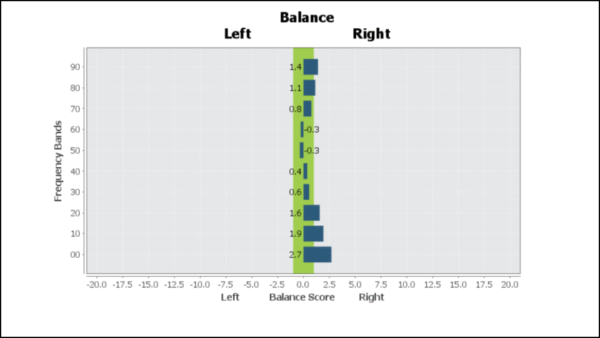
However, this phase can also be deceptively uneventful. The brain may be working harder than we realize, and subtle imbalances can quietly grow if we’re not mindful of our limits and needs. Because everything feels positive during this stage, it’s easy to miss the first hints that we might be pushing ourselves beyond our capacity or not allowing ourselves the proper time to rest, decompress, and restore our energy.
Common warning signs during the Honeymoon Phase include:
- Overcommitting to responsibilities or taking on too many new tasks.
- Blurred boundaries around roles, time, or availability.
- Neglecting self-care because excitement and momentum feel more important.
- Feeling “wired but inspired,” where the brain is activated but not yet overwhelmed.
- Ignoring early fatigue or telling yourself you’ll rest “later.”
This stage often feels exciting and new, but it’s also where unsustainable patterns quietly develop. Recognizing the early signs allows you to enjoy the honeymoon energy without setting the stage for burnout down the road.
Stage 2: The Onset of Stress
In Stage 2, the excitement and rush of the Honeymoon Phase start to fade, and the first cracks begin to appear. You may still feel motivated and capable, but there’s a clear energetic shift: pressure starts building beneath the surface, and even small additional demands feel heavier than they should. Instead of moving through your days with ease and energy, you may notice you’re having to push yourself harder than before to keep up. This often shows up as rising anxiety, irritability, creeping fatigue, or a subtle sense that everything requires just a bit more effort than it used to.
From a brain perspective, the increased demand on your system causes the right temporal lobe to become even more active, reflecting the increased stress load and rising energy demands. This shift often triggers a low to moderate fight-or-flight stress response, where the brain begins mobilizing extra energy to keep you going. At this point, your nervous system is still compensating well, but it’s working harder to do so.
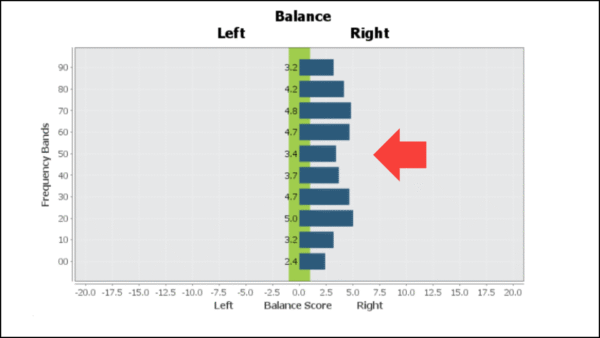
As the fight-or-flight response ramps up, your entire system moves into a more activated state. You may feel more tense, more reactive, and more mentally “on guard.” What used to feel effortless now requires effort, and your brain starts sending subtle signals that it’s burning fuel faster than it can replenish it.
Common warning signs during the Onset of Stress include:
- Stronger cravings for quick fuel, such as sugary, carb-heavy, or highly processed foods, because a stressed brain burns through energy rapidly and seeks fast replacements.
- Restlessness at bedtime, trouble falling asleep, or difficulty “shutting off” mentally at night.
- Feeling more distracted, fidgety, or easily overwhelmed by tasks that used to feel simple.
- A growing sense of pressure or impending doom, even if nothing significant has changed externally.
This stage is a critical crossroads. The brain is sounding the first alarms, asking for rest and recalibration. If these signals are overlooked, the stress cycle deepens and the brain moves one step closer to the next stage of burnout.
Stage 3: Chronic Stress
By Stage 3, stress is no longer an occasional visitor; it’s become a constant companion. The body and brain begin showing unmistakable signs that they’re under prolonged strain, and the symptoms become harder to ignore or brush off as “just a busy week.”
Physically, chronic stress may manifest as persistent headaches, physical tension, elevated blood pressure, digestive disruptions, or a general feeling of being run down. Emotionally, people often experience ongoing anxiety, irritability, frustration, or a sense of hypervigilance as though the brain is stuck in a perpetual state of “bracing” for something.
In response to increased stress, the right temporal lobe becomes even more overactive, signaling a prolonged and severe fight-or-flight response. Instead of a brief activation to help you rise to a challenge, as seen during the Honeymoon Phase, the stress circuitry is now firing constantly. This chronic overactivation quickly drains energy reserves, disrupts sleep, impairs emotional regulation, and makes clear thinking much harder. The brain is essentially operating in survival mode at this stage, which means it is starting to lose flexibility and wear down.

Common warning signs of Chronic Stress include:
- Feeling resentful, angry, overwhelmed, or trapped by your responsibilities.
- Avoiding tasks or withdrawing from obligations because everything feels like “too much.”
- Seeking quick emotional “escapes” such as alcohol, comfort food, shopping, or endless scrolling to numb or distract from the stress.
- A growing sense of disconnection, either from your work, your relationships, or your own internal motivation.
- Being more reactive and hypersensitive to people or events in your life.
Stage 4: Burnout
In Stage 4, the brain has finally been pushed to its limit and can no longer cope by resorting to a fight or flight response. This requires the brain to make a dramatic shift in its coping strategy.
What makes this stage especially tricky is that many symptoms of burnout can look like high stress tolerance or healthy coping on the surface. But internally, the brain is struggling, and it begins shifting into a protective freeze response.
When the nervous system becomes overwhelmed, the brain attempts to shield you from further distress by slowing down key functions, disengaging from emotional input, and numbing your internal responses. During this stage, you may feel emotionally drained, detached from your life, mentally foggy, and increasingly unmotivated. Even simple tasks like answering an email, planning a meal, or returning a text can feel daunting, heavy, or draining. This is a freeze response in action.
Neurologically, this shift is reflected in increased activation of the left temporal lobe. This response is the brain’s attempt to conserve energy when it perceives that continued fight-or-flight activation is no longer sustainable. The result? Internal shutdown. You may feel numb, disconnected, robotic, or, as some of our clients describe it, “I feel like I’m living on autopilot.”
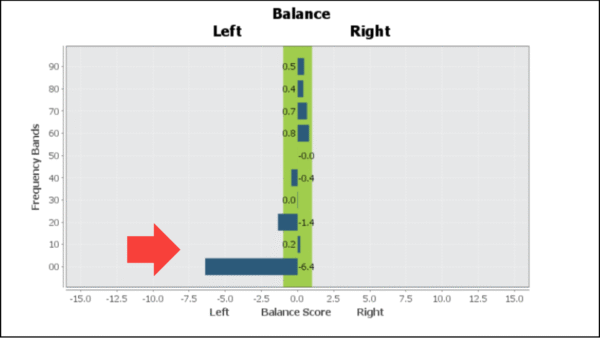
This emotional blunting and disconnect can easily be mistaken for calm under pressure or high stress tolerance, especially if you’re used to performing at a high level. Because the body is no longer showing visible stress signals, the absence of an emotional response can feel like resilience, when in reality, it’s a sign that the system is overwhelmed and shutting down.
Another challenge of the burnout stage is that stress becomes internalized. Instead of expressing or releasing tension, you suppress it. You might stop talking about your stress entirely. From the outside, you may look composed, productive, and “put together,” which only reinforces the illusion that everything is fine.
See if you recognize any of the common statements from individuals who are experiencing burnout but are misinterpreting it as stress resilience:
- “Stress doesn’t bother me.”
- “I never get upset or emotional.”
- “Self-care isn’t really necessary for me.”
- “I only feel alive or engaged in high-pressure situations. Regular life feels dull.”
Because of this disconnect, people in burnout often continue taking on more responsibilities, convincing themselves that they’re managing it all “just fine,” when in reality, the system is breaking down. This causes a vicious cycle of mounting pressure on the system and rapid depletion.
Common warning signs of Burnout include:
- A feeling of disconnect from yourself and others.
- Feeling unaffected or numb to stressful or upsetting situations.
- A tendency to seek out exciting or dangerous situations to “feel alive”.
- Experiencing a loss of interest in activities or relationships you once enjoyed.
- Internalizing problems or issues.
Stage 5: Habitual Burnout
Stage 5 is where burnout becomes more than a temporary state and becomes a deeply ingrained pattern in the brain. At this point, burnout isn’t just something you feel, it’s how your brain is operating day after day. Chronic fatigue, emotional numbness, loss of motivation, withdrawal, and even symptoms resembling depression often emerge during this stage.
In the brain, we see the left temporal lobe become increasingly activated as the brain sinks deeper into a deep freeze state. This is the brain’s last resort to cope with unrelenting stress. In this state, people commonly describe feeling stuck, paralyzed, foggy, or disconnected from themselves and the world around them.
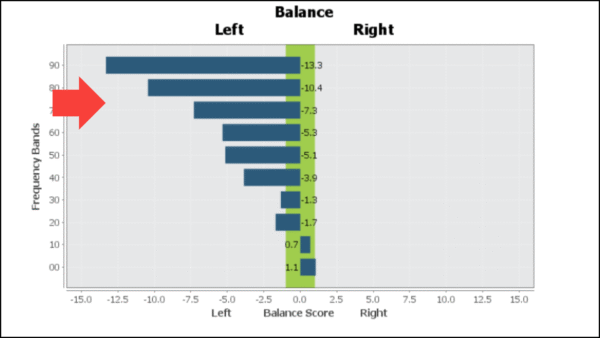
In a freeze response, the brain attempts to conserve what little energy it has left by slowing down key functions, particularly those related to thinking, planning, emotional processing, and motivation.
This shutdown makes it incredibly difficult to take action or implement new habits, even when a person wants to change. It’s not laziness or ADHD…it’s a freeze state.
Common warning signs of Habitual Burnout include:
- Preferring isolation and withdrawing from others.
- Total loss of motivation and increased fatigue.
- Feeling disconnected from your life, your work, or even your own personality.
- Increased use of stimulants as the brain attempts to artificially balance itself.
- Unable to focus, plan, or execute without feeling overwhelmed, fatigued, and foggy.
At this stage, burnout can easily be mistaken for depression or even brushed off as just “being overly tired.” But the brain patterns tell a very different story: the brain is overwhelmed and shutting down to protect itself.
From Burnout to Balance
If burnout isn’t addressed, it can quietly chip away at your mental, emotional, and physical health over time. Recognizing the signs and understanding how burnout progresses in the brain is the first step toward true recovery. But once stress patterns become deeply ingrained, the brain often needs additional support to reset.
Cereset is uniquely designed to help people of all ages release stuck stress patterns and restore balance. Instead of relying on effort, external stimulation, or traditional “brain training,” Cereset uses your brain’s own rhythms as the guide. It works by translating real-time brain activity into gentle musical tones called a brain echo.
This brain echo acts as an auditory mirror, giving the brain immediate insight into what it’s doing. Because the brain is naturally intelligent and self-correcting, it uses this reflection to recalibrate and reorganize its activity, much like looking in a mirror helps you adjust your appearance.
Importantly, the brain leads the entire Cereset process. It decides what to change, how to change it, and when, based on its own unique needs and priorities. And the best part? You don’t need to do anything. Most clients rest, or even sleep, through the sessions while their brains do the work!
Cereset’s gentle, non-invasive approach offers a powerful, accessible way to help anyone caught in the cycle of burnout to release accumulated stress and return to a state of clarity, calm, and resilience this holiday season!
by Sonya Crittenden,
Director of Client Services & Education
Cereset Corporate Headquarters
FIND THE CERESET CLIENT CENTER NEAREST YOU & CALL TODAY
*Cereset is not a medical provider and does not diagnose, treat, cure, or prevent concussions or any other medical condition. Any serious head injury or concussion with severe or worsening symptoms should be evaluated immediately by a licensed medical professional.
_